Basement Waterproofing Solutions for Finished Basements
People searching for basement waterproofing solutions for finished basements aim to prevent water damage and mold; local contractors can provide effective waterproofing services to protect and preserve their space.
If you have a finished basement that shows signs of dampness, water intrusion, or uneven flooring, you’re not alone. Property owners in the area often explore basement waterproofing solutions for finished basements to protect their investment and maintain a comfortable living space. Whether it’s preventing future leaks, managing humidity, or safeguarding stored belongings, addressing these issues early can make a significant difference. Local contractors who specialize in basement waterproofing can assess the unique conditions of your home and recommend practical solutions tailored to your needs, ensuring your finished basement remains a safe and enjoyable part of your property.
Understanding the importance of proper waterproofing can also help homeowners avoid costly repairs down the line. Many local service providers offer a range of basement waterproofing solutions designed specifically for finished spaces, including interior drainage systems, sump pumps, and sealing techniques. These professionals have experience working with finished basements and can implement effective strategies without sacrificing the aesthetics or functionality of your living area. Keep reading to learn more about the options available and how connecting with trusted local contractors can help protect your basement from water damage and moisture issues.
- Basement waterproofing for finished basements - homeowners noticing moisture or water intrusion in their finished spaces can rely on local contractors to implement effective waterproofing strategies.
- Waterproofing solutions for basement walls - when cracks or dampness appear on basement walls, local service providers often use specialized sealing and drainage methods to protect the interior.
- Basement drainage system installation - areas experiencing poor drainage or standing water in finished basements may benefit from local pros installing sump pumps or interior drainage systems.
- Waterproofing for basement floors - if dampness or efflorescence appears on basement floors, local contractors can apply sealants or install vapor barriers to prevent moisture issues.
- Leak repair in finished basements - visible leaks or water stains in finished basement areas prompt local service providers to identify and fix the source of water intrusion effectively.
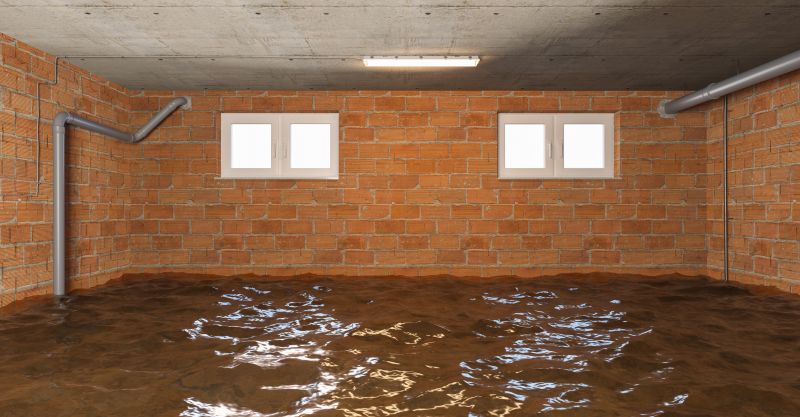
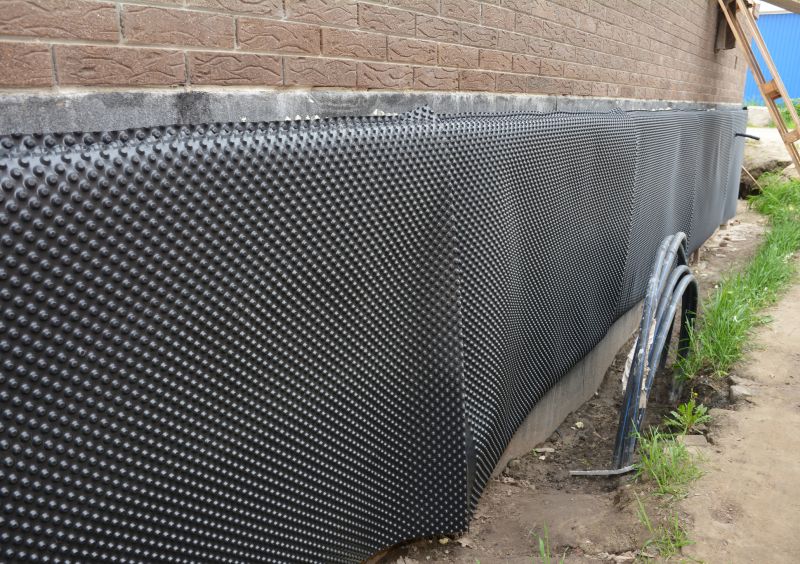
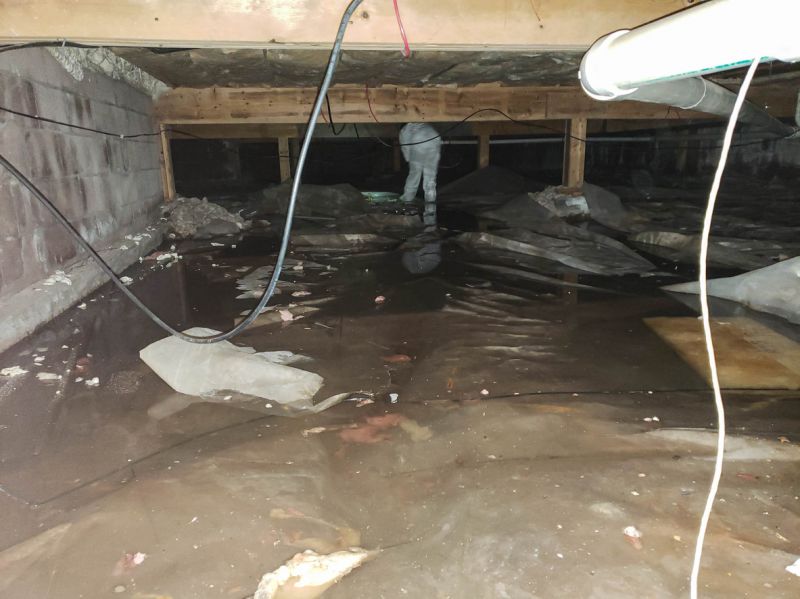
When searching for basement waterproofing solutions for finished basements, homeowners typically want to understand how to prevent water intrusion and protect their living spaces from moisture-related problems. Many are concerned about issues like dampness, mold growth, or water stains that can develop after completing basement renovations. The term often relates to efforts to keep basements dry and comfortable, especially in areas prone to heavy rainfall or high underground water levels. People may also be exploring options to enhance their basement’s durability and avoid costly repairs, making waterproofing an important part of long-term property maintenance.
The problems connected to basement waterproofing solutions for finished basements often involve existing leaks, seepage, or signs of moisture intrusion. Common plans include installing drainage systems, applying sealants, or improving exterior and interior barriers to water. Many property owners consider waterproofing when planning basement finishing projects or when they notice signs of water damage. These solutions aim to create a dry, stable environment that supports ongoing use as a living space, home office, or entertainment area. Local contractors can assess specific issues and recommend tailored approaches that address the unique conditions of each property.
Properties that usually come up in discussions about basement waterproofing solutions for finished basements are typically residential homes with below-ground living spaces. These can include single-family houses, townhomes, or multi-family buildings where the basement has been finished for daily use. The age and construction style of the property often influence the type of waterproofing needed, with older homes sometimes requiring more extensive exterior or interior interventions. Local service providers are experienced in handling a variety of property types and can adapt their solutions to meet the specific challenges presented by each basement’s design and environment.
For homeowners exploring basement waterproofing solutions for finished basements, understanding how these services fit into their property plans is crucial. Local contractors can provide assessments to identify vulnerabilities and recommend effective measures to keep basements dry. Whether it involves installing sump pumps, applying waterproof coatings, or improving drainage around the foundation, these solutions are designed to integrate seamlessly with finished spaces. Connecting with experienced service providers ensures that the waterproofing work aligns with the homeowner’s goals for comfort, durability, and long-term property value, making it easier to maintain a dry and functional basement environment.
Foundation Repair - foundation repair projects often involve addressing issues that can lead to water intrusion, making them related to basement waterproofing solutions for finished basements.
Drainage System Installation - installing proper drainage systems is essential for preventing water accumulation around the foundation, which complements basement waterproofing efforts.
Interior Wall Sealing - sealing interior walls helps prevent moisture seepage, a task that shares skills with waterproofing finished basement spaces.
Basement Drainage Channels - adding drainage channels inside or outside the basement area helps manage water flow and is a common component of waterproofing projects.
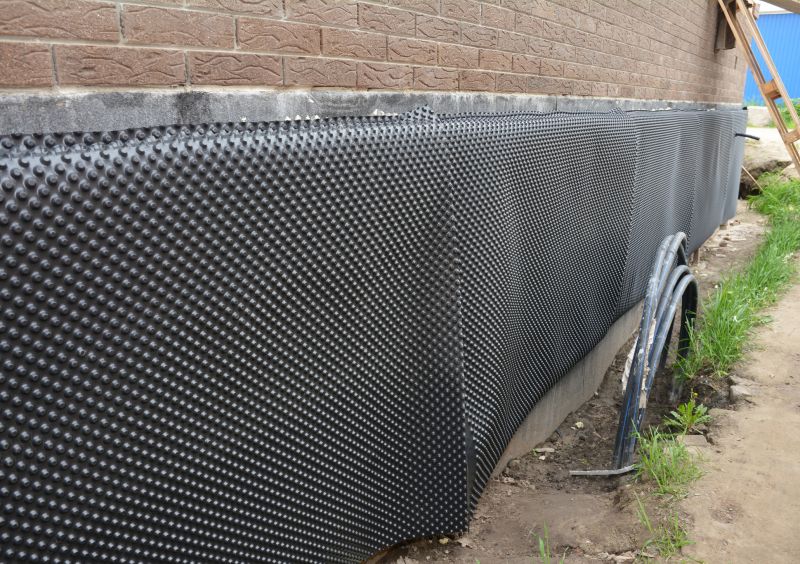
Waterproof Membrane Application - applying waterproof membranes to foundation walls is a key step in basement waterproofing solutions for finished spaces.
Mold and Mildew Remediation - addressing mold and mildew issues often involves moisture control techniques similar to those used in basement waterproofing projects.
When evaluating service providers for basement waterproofing solutions for finished basements, it is important to consider their experience with similar projects. Contractors who have handled waterproofing in finished basement environments are more likely to understand the unique challenges involved, such as working around existing finishes and ensuring minimal disruption. Asking about their past work in comparable settings can provide insight into their expertise and familiarity with the specific techniques and materials suited for finished basement waterproofing.
Clear written expectations are essential when comparing local contractors. A detailed scope of work that outlines the waterproofing methods, materials to be used, and the projected outcomes helps ensure transparency and aligns expectations. It is beneficial to review any provided documentation carefully and to inquire about warranties or guarantees related to the work. This clarity can prevent misunderstandings and ensure that the project’s goals are well-defined from the outset.
Reputable references and good communication are key indicators of a reliable service provider. Contractors who can provide references from previous clients with similar finished basement projects demonstrate a track record of satisfied customers. Additionally, effective communication-such as responsiveness to questions, clarity in explanations, and willingness to discuss concerns-can make the entire process smoother. Choosing a local contractor who values transparent communication and has positive references can contribute to a more confident and successful waterproofing experience.
Property owners often search for basement waterproofing solutions for finished basements when they are planning practical projects around their homes and businesses. Local pros provide Basement Waterproofing Solutions services for everyday jobs and straightforward project options.
Homeowners in the area often look into basement waterproofing solutions for finished basements when they notice signs of moisture, such as damp walls or a musty smell, especially after heavy rain or rapid snowmelt. These issues can lead to concerns about mold growth, damage to personal belongings, or the overall integrity of the space. Property owners may seek out local contractors who specialize in basement waterproofing to assess their specific situation and recommend effective solutions that help keep the basement dry and protected.
Many property owners consider basement waterproofing services when planning renovations or improvements to their finished spaces, aiming to prevent future water issues. Others might be responding to recent leaks or water intrusion that has affected their comfort and the usability of the basement. Connecting with experienced local service providers ensures that the waterproofing methods used are suitable for the area's climate and home type, providing peace of mind that the basement will remain dry and functional for years to come.
What types of basement waterproofing solutions are suitable for finished basements? Local contractors often recommend interior waterproofing methods such as sealants, drainage systems, and sump pumps that are compatible with finished basement spaces to prevent moisture intrusion and water damage.
Can basement waterproofing solutions be integrated into existing finished basements? Yes, experienced service providers can adapt waterproofing techniques to work within finished basements, including installing interior drainage systems or vapor barriers that do not require extensive demolition.
What signs indicate a need for basement waterproofing in a finished space? Common indicators include persistent dampness, musty odors, visible water stains, or mold growth, which can be addressed effectively by local contractors specializing in basement waterproofing solutions.
Are there specific waterproofing methods recommended for finished basements with existing drywall or flooring? Yes, professionals often utilize interior sealants, sump pumps, and vapor barriers that can be installed without damaging existing finishes, ensuring effective waterproofing while preserving the basement’s appearance.
How do local service providers determine the best basement waterproofing solution for a finished basement? They assess factors like the basement’s construction, existing moisture issues, and drainage conditions to recommend tailored waterproofing strategies suitable for finished spaces.
Assessing basement moisture issues - property owners can identify areas prone to dampness or leaks and discuss these findings with local contractors to develop effective waterproofing plans.
Installing interior drainage systems - homeowners can work with service providers to set up drainage solutions that redirect water away from finished basement walls and floors.
Applying sealants and waterproof coatings - property owners might choose to have professionals apply specialized sealants to basement walls and floors to prevent water infiltration.
Improving exterior drainage and grading - property owners can enhance yard grading and install exterior drainage components with the help of local contractors to reduce water pressure on basement walls.
If you are thinking about basement waterproofing solutions for finished basements for a property, this guide is meant to help you understand this topic, the typical project types, and how different options might fit your plans.
When you are ready, you can use the quote form on this page to share a few details about your project. From there, local pros can review the basics and follow up with options that match what you have in mind.